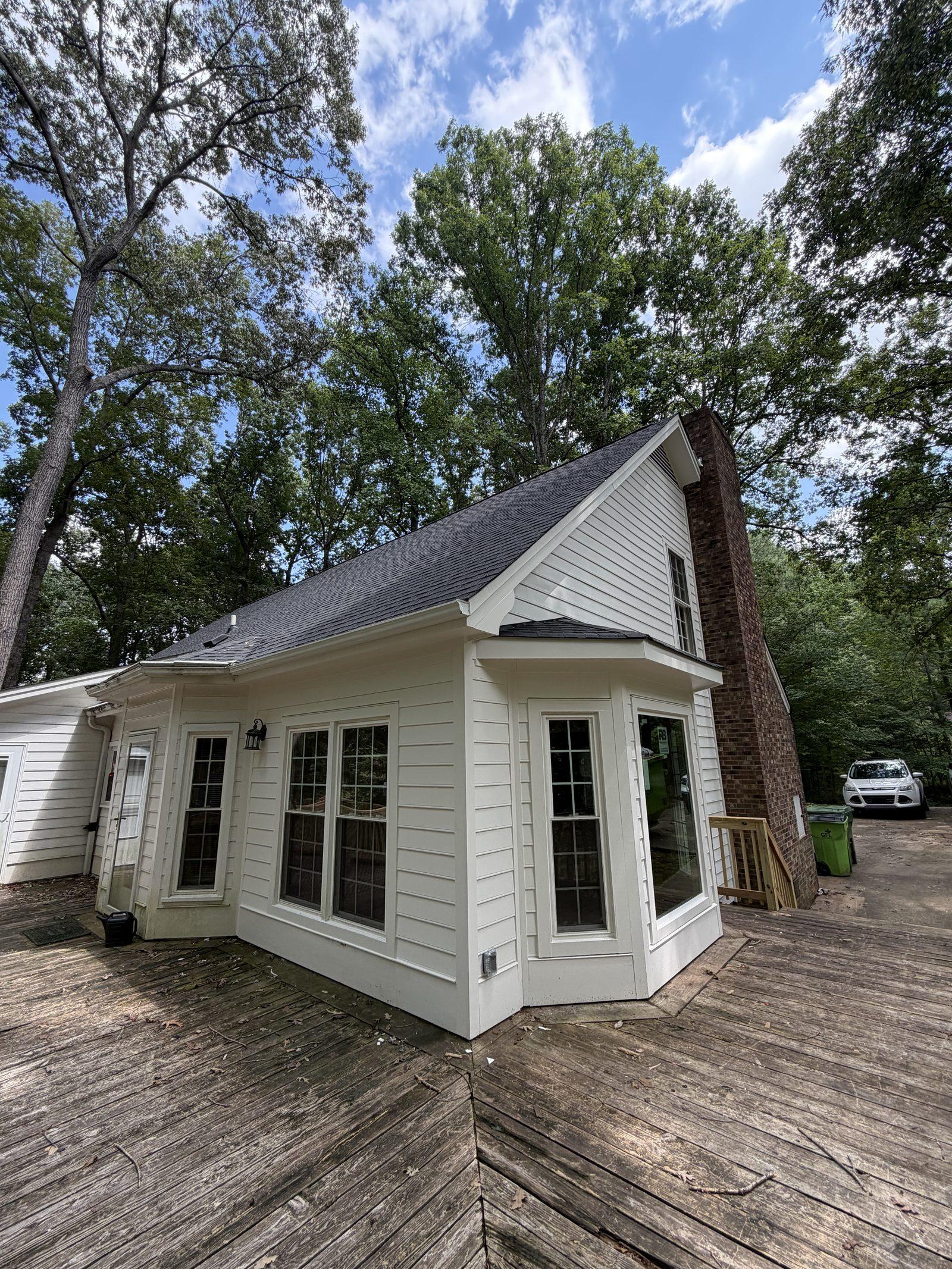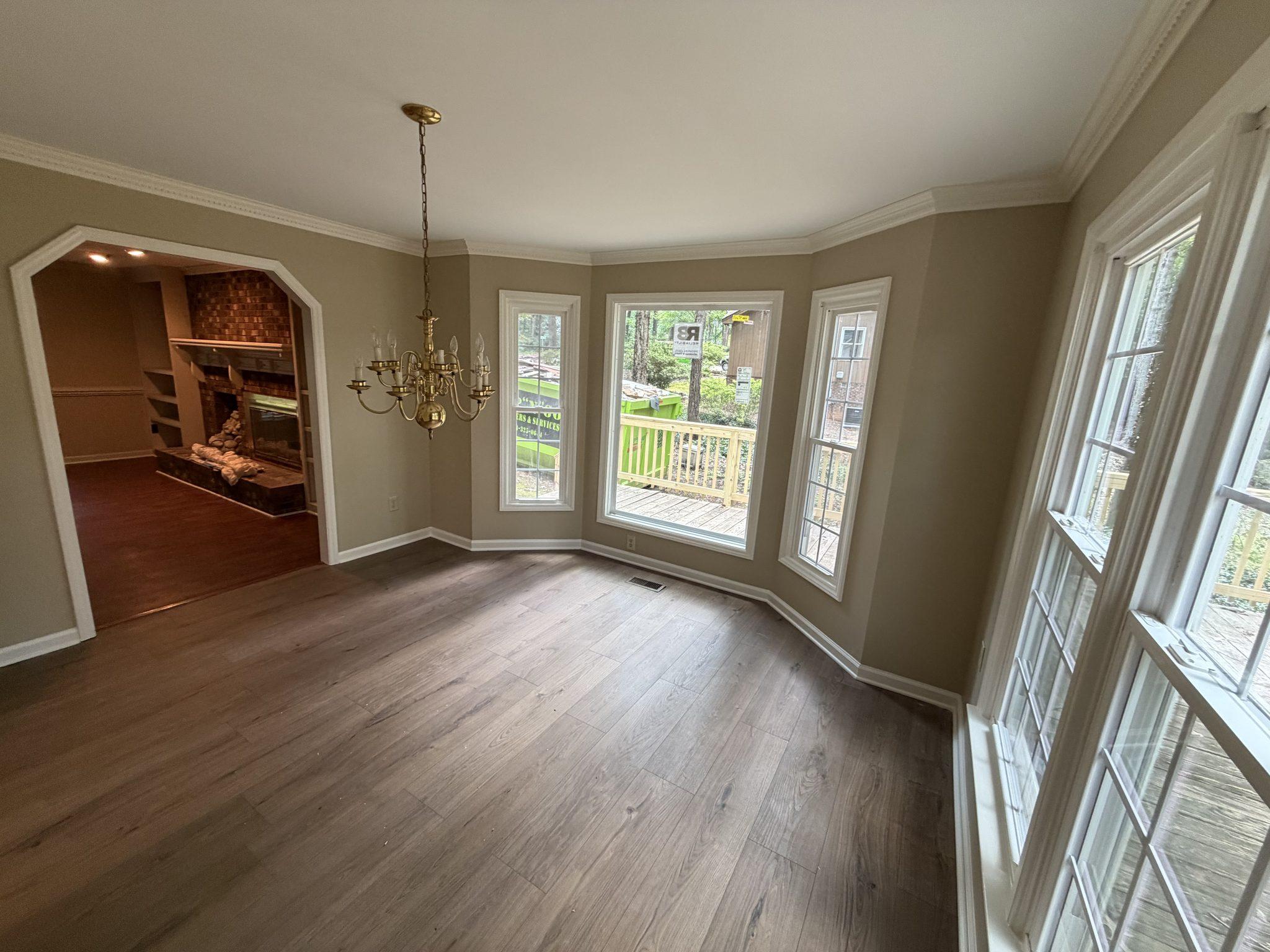
Put back properly,
not just patched.
Storm Damage Restoration in Cary, NC
When a storm, a falling tree or a leak gets into the house, the visible damage is usually the smaller part. Rare Raleigh takes it back to sound structure, rebuilds it to match, and gives your insurer the documentation and written scope a claim needs.
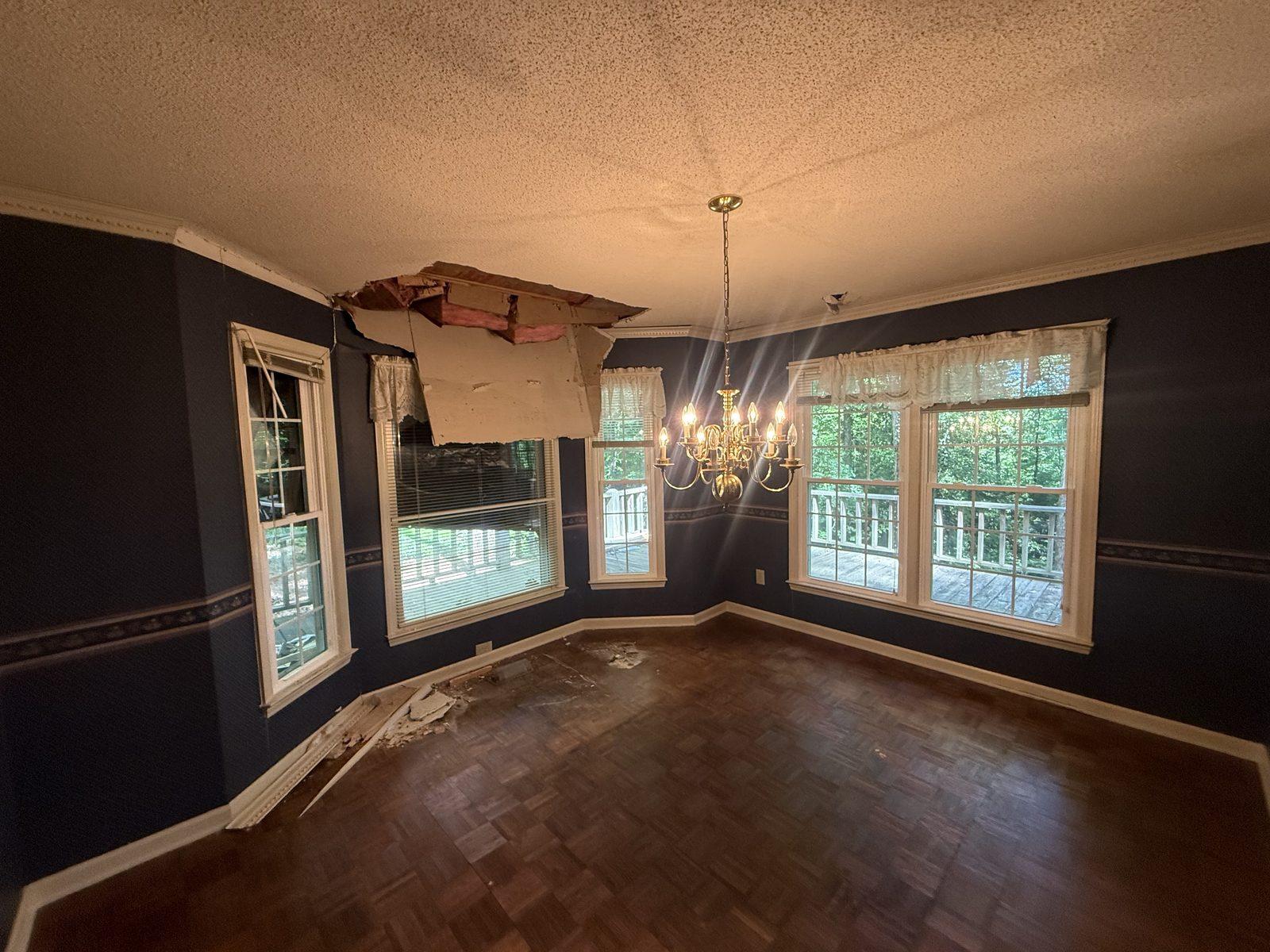
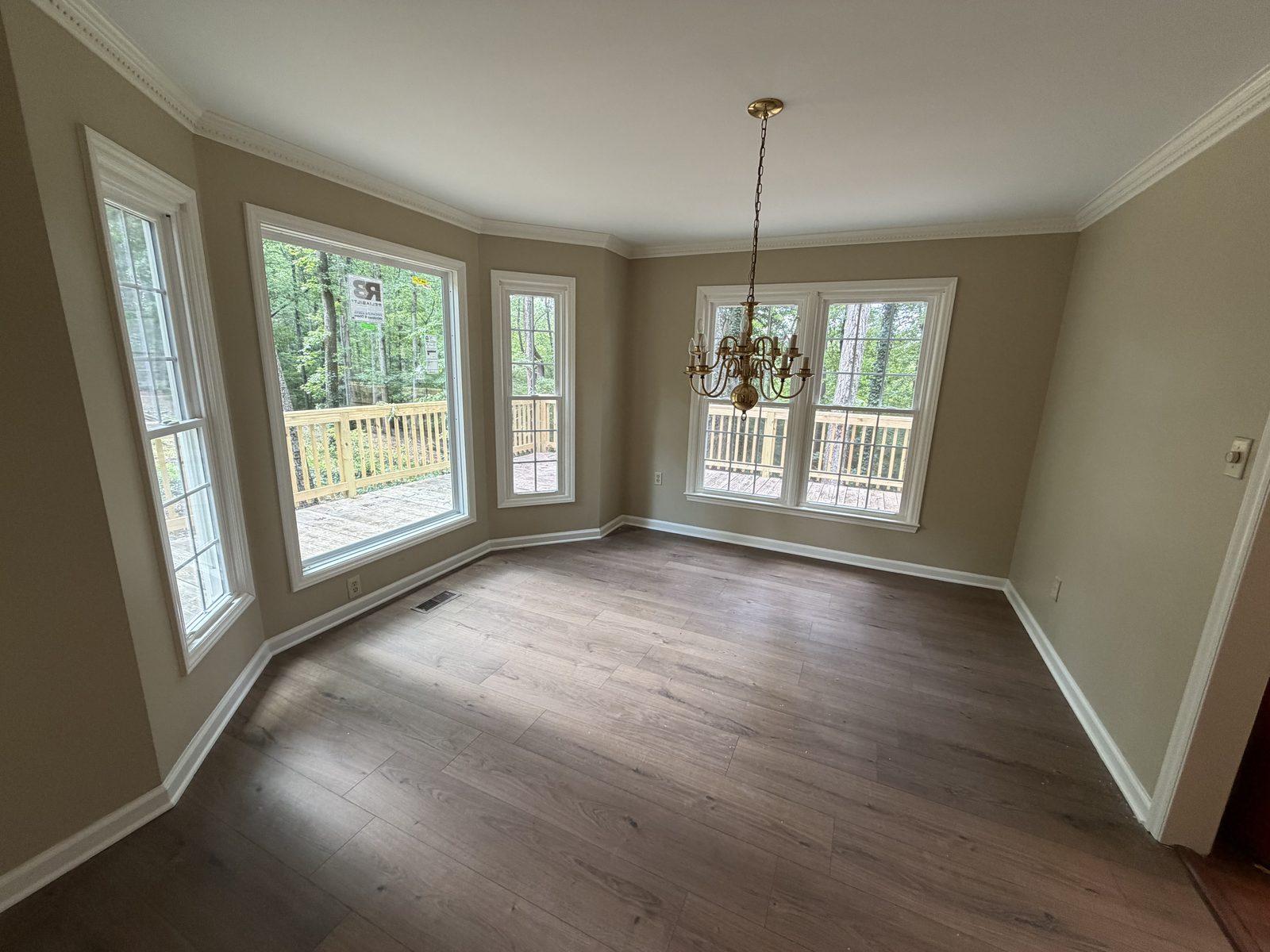
From damage to done.
Restoration has a right order. Structure before finishes, and nothing rebuilt on top of damage that is still there.
Fix it before it gets worse
The first job is fixing whatever is letting the damage spread, so it does not get worse while the claim gets moving.
Document the damage
Photographs and measurements of everything affected, including what is behind the surface. The visible damage is usually the smaller part of it.
Put the scope in writing
The repair set out line by line, in writing, for you and for your insurer — what has to come out, what has to be rebuilt and in what order.
Back to sound structure
Damaged framing, sheathing, drywall and flooring are removed until what is left is sound. Rebuilding on top of compromised structure is how a repair fails twice.
Rebuild structure & envelope
Re-framing, sheathing and housewrap, then windows, roofing and siding, so the house is weathertight before the interior goes back in.
Interior rebuild & finish
Ceilings, walls, trim, flooring and paint, matched to the rest of the house so the repaired rooms do not read as repaired.
Walk-through & records
The punch list closed out, the finished work walked with you, and the documentation kept for your records and your insurer.
Sudden, or slow.
Storm damage announces itself. Water damage usually hides until it has spread. Both end in the same place: taken back to sound material and rebuilt.
Trees, wind and roof breaches
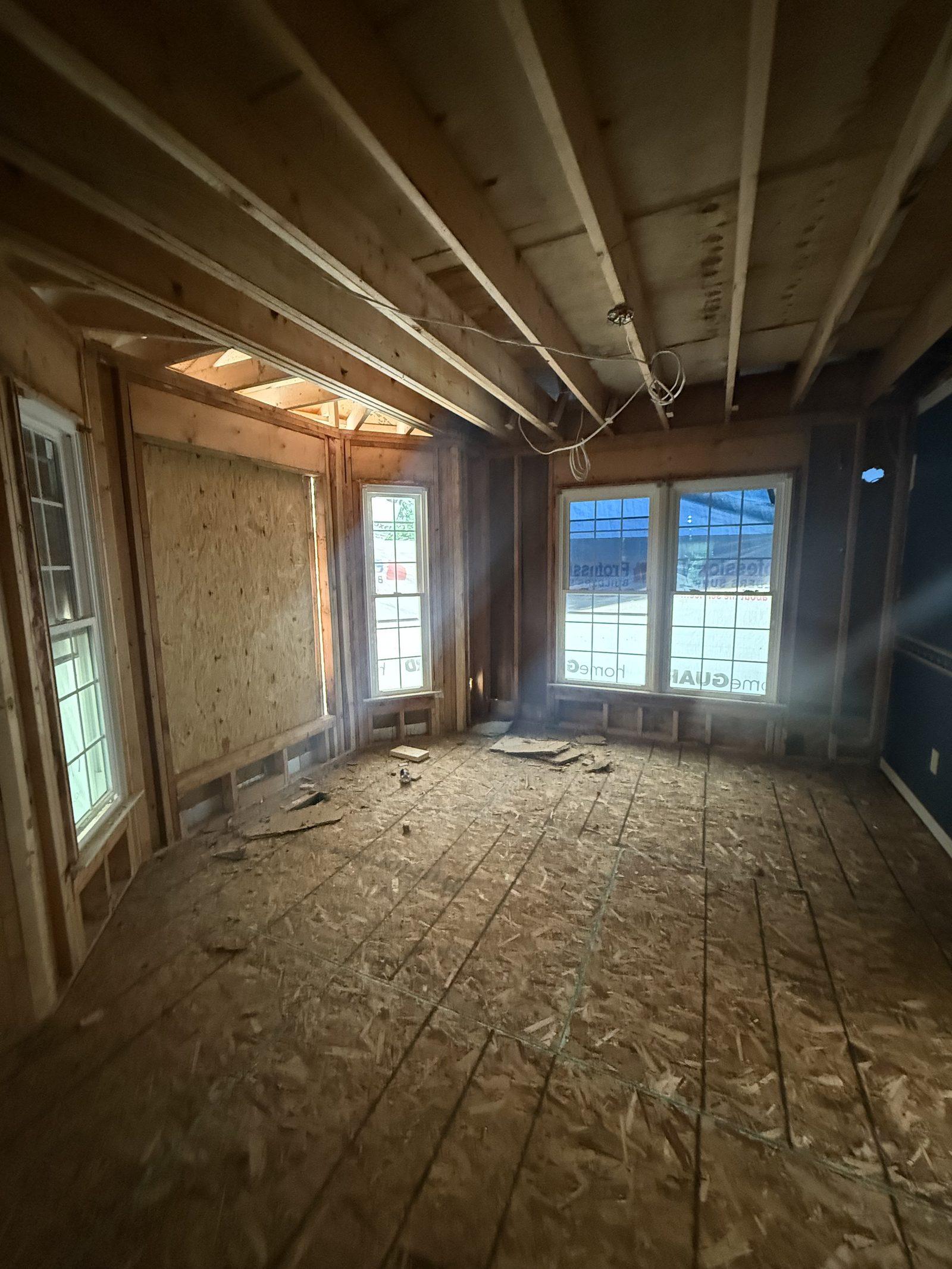
Sudden and obvious. A tree comes down, a roof opens up, and water follows it into ceilings and walls. The structure takes the impact, so the repair starts with framing, not paint.
- Damaged roof and wall structure removed
- Re-framing, sheathing and housewrap
- Roof, siding and windows replaced
- Ceilings, walls and floors rebuilt inside
Leaks, rot and mold
Slow and hidden. A sink, supply line or roof leak runs for weeks before anything shows, and by then it has reached cabinetry, subfloor and sometimes framing — often with mold behind it.
- Affected cabinetry and finishes removed
- Mold remediated and the area opened up
- Plumbing or the leak source repaired
- Subfloor, cabinetry and finishes rebuilt
Working alongside your insurer.
A claim goes better when the damage is documented properly from the start. We photograph and measure everything affected — including what is behind the surface — and put the repair scope in writing, line by line, so your insurer has an accurate picture to work from.
We can meet your adjuster on site and walk through the damage together, and when opening up reveals more than anyone could see at first, we document it and update the scope before that work goes ahead.
The claim itself is between you and your insurance company. Coverage and outcomes are their decision, not ours, and we do not negotiate a claim on your behalf. We will not tell you something is covered, because nobody but your insurer can.
What we can promise is the part that is ours: an honest scope, the house taken back to sound structure, and a rebuild that matches the rest of the home.
Two restorations, start to finish.
Teresa Storm Damage Restoration
This project in full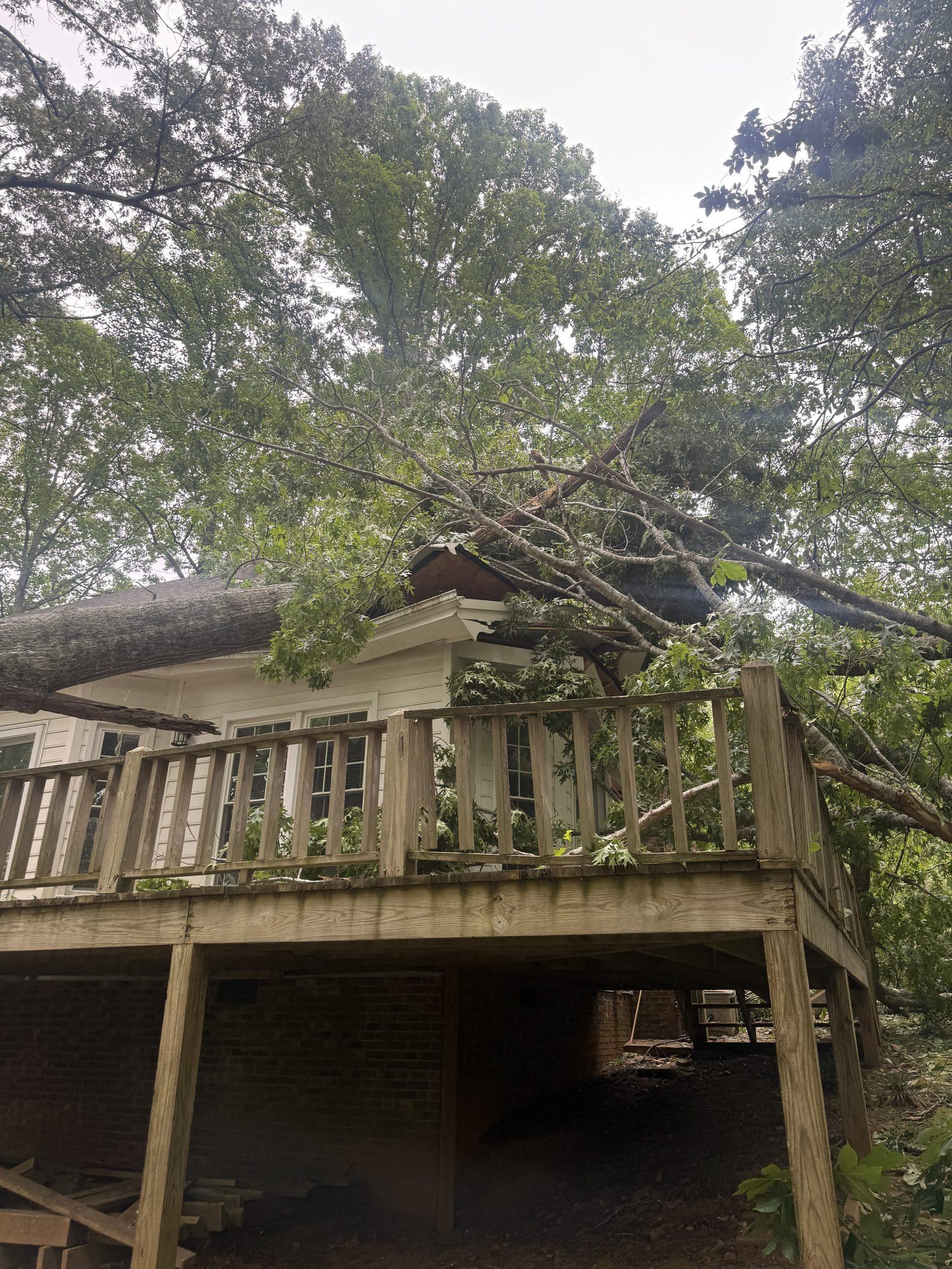
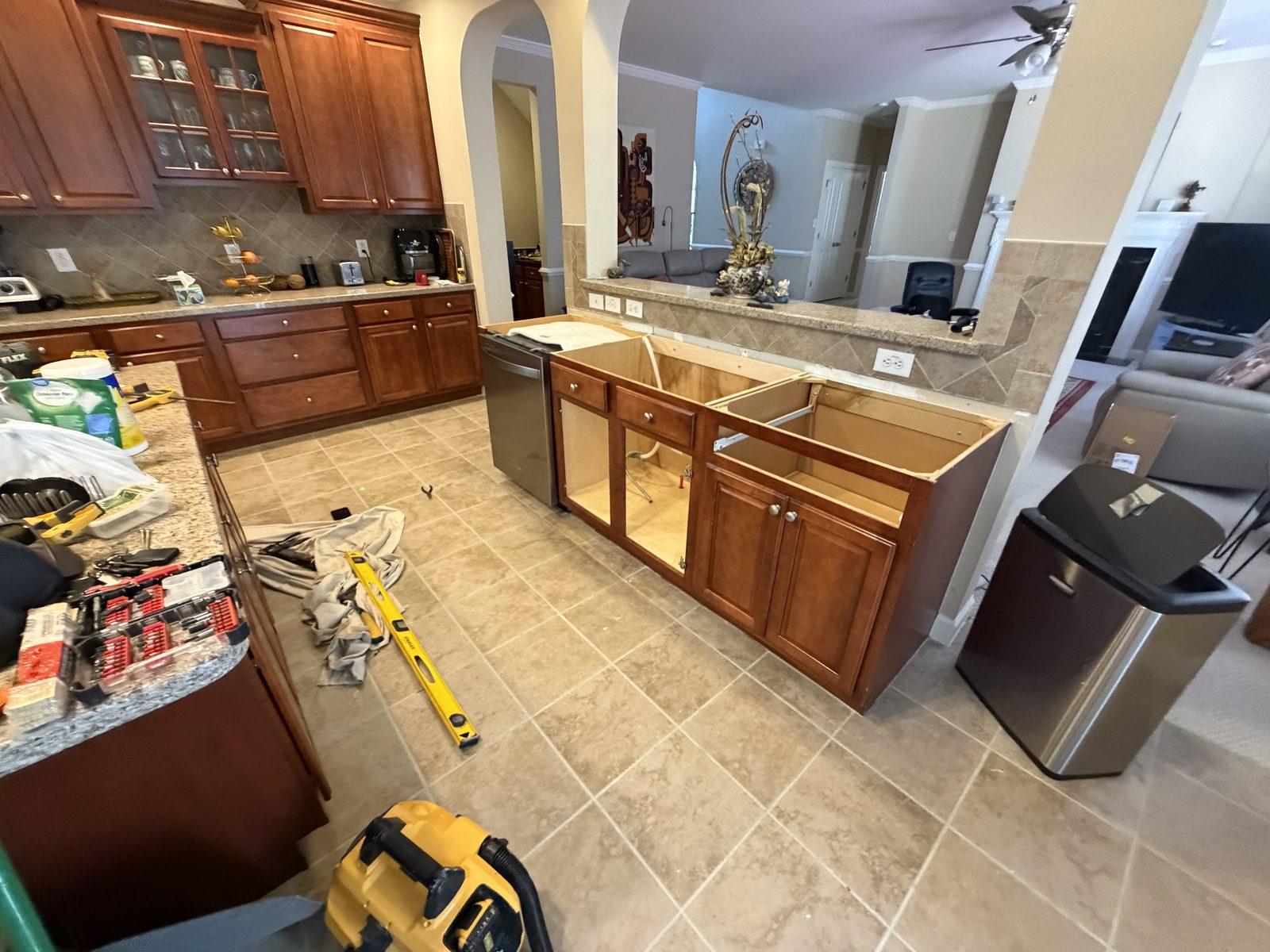
Gaurav Water Damage & Mold Remediation
This project in full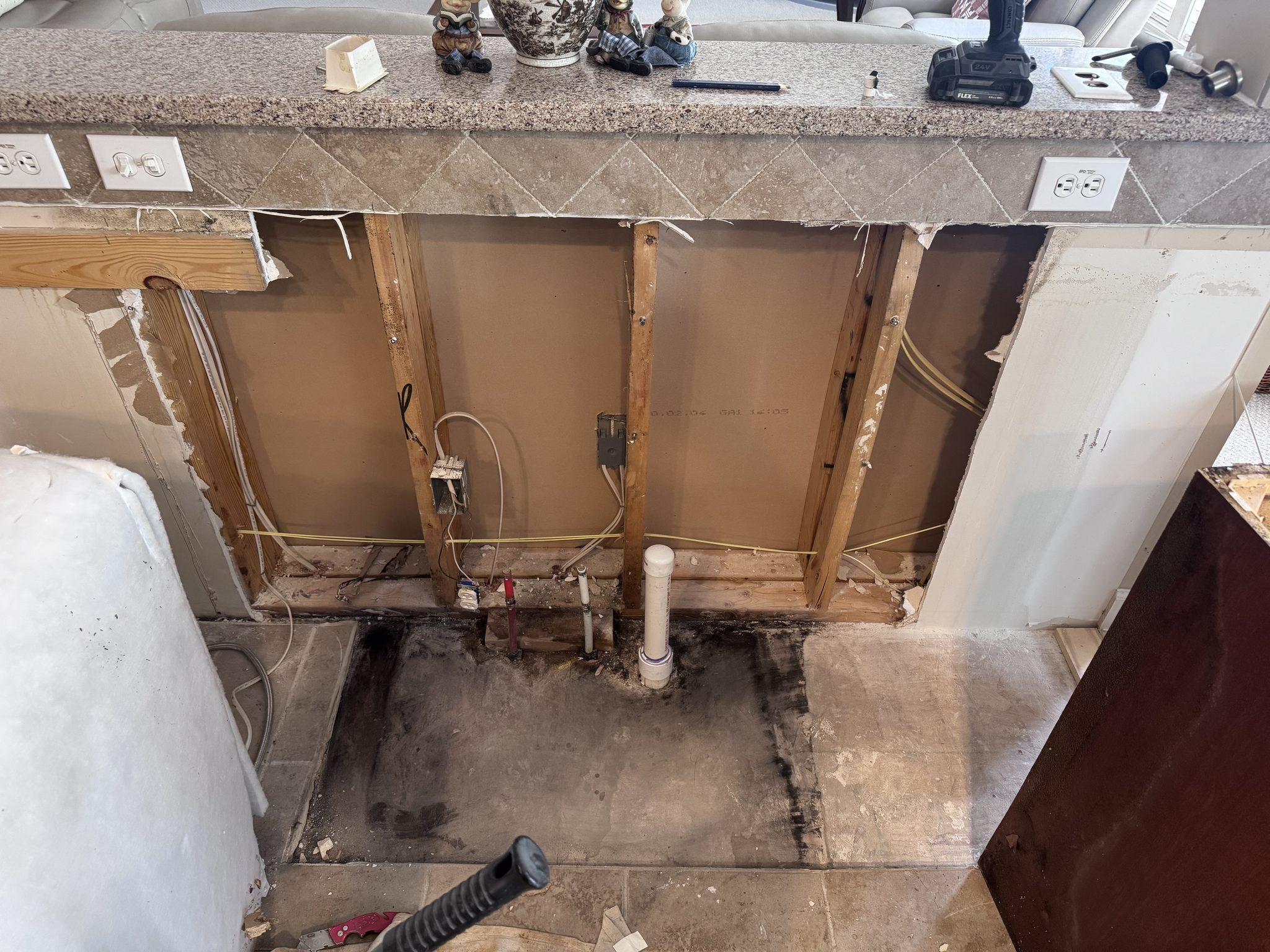
Storms, mature trees and older roofs.
Central North Carolina gets its weather in bursts: summer thunderstorms, the tail end of tropical systems, and the occasional winter ice storm. Across Cary and Raleigh, a lot of houses sit under mature trees, and a heavy limb or a whole tree is often what turns weather into damage.
Water damage is quieter and just as common: a supply line, a sink or a roof that has been leaking slowly, found only when a floor softens or a stain appears.
Either way, the repair is construction, not cleanup. Damaged framing, roofing and the envelope come first, then the interior — and the work is sequenced as one project rather than several trades you have to coordinate yourself.
We work throughout Cary and Southern Wake County and regularly across Apex, Holly Springs, Fuquay-Varina, Morrisville, Raleigh, Garner.
What moves the number.
How far the damage reached sets the size of the job. These are the factors that decide it.
How far the damage reached the structure
A roof surface is one job; broken rafters, wall framing or a sagging ceiling below is another. How much framing has to be removed and rebuilt sets the size of everything after it.
Where the water went
Water travels along framing, under flooring and into wall cavities. The wetted area is usually larger than the visible stain, and all of it has to come out and dry before anything is rebuilt.
Mold
Where water has sat long enough, affected material is removed and the area remediated before the rebuild — not painted over.
Roof, siding and windows
How much of the envelope has to be replaced to make the house weathertight again, and whether a damaged section can be repaired or needs to run to a natural break.
Matching what is already there
Siding profiles, trim, flooring and ceiling textures that match the rest of the house. Discontinued materials can widen the area that has to be replaced to keep it consistent.
Interior scope
Ceilings, walls, insulation, trim, flooring and paint in every affected room, plus any cabinetry or fixtures the water reached.
What opening up reveals
Damage behind finished surfaces is common, and it is documented and added to the written scope before that work goes ahead.
What decides how long it takes.
Some of the schedule is ours, and some of it belongs to your insurer, the weather and the materials.
Your insurer's process
Adjuster visits and approvals run on the insurance company's schedule. We document and scope promptly so the claim is not waiting on us.
Fixing it first, then drying out
Fixing what is letting the damage spread, then letting wet structure dry, comes before any rebuild — and drying cannot be rushed.
Tree removal
Where a tree is still on the house, the structure cannot be repaired until it has been removed.
Structure before finishes
Framing, roofing and the envelope are completed and the house made weathertight before the interior is rebuilt.
Materials and matching
Windows, matched siding and specialty finishes can carry lead times, and they set when the final stages can happen.
Before the rebuild starts.
Make sure everyone is safe, and stay out of any area where the ceiling or structure looks compromised. Photograph the damage before anything is moved, stop the water where you can, report it to your insurance company, and then get in touch — the sooner the damage is documented and stopped from spreading, the better.
Yes. We document the damage, put the repair scope in writing and can meet your adjuster on site to walk through it. The claim itself is between you and your insurer: coverage and outcomes are their decision, not ours, and we do not negotiate a claim on your behalf.
No, and nobody but your insurer can. What we can do is make sure the full extent of the damage is documented and the repair is scoped properly, which gives your insurer an accurate picture to work from.
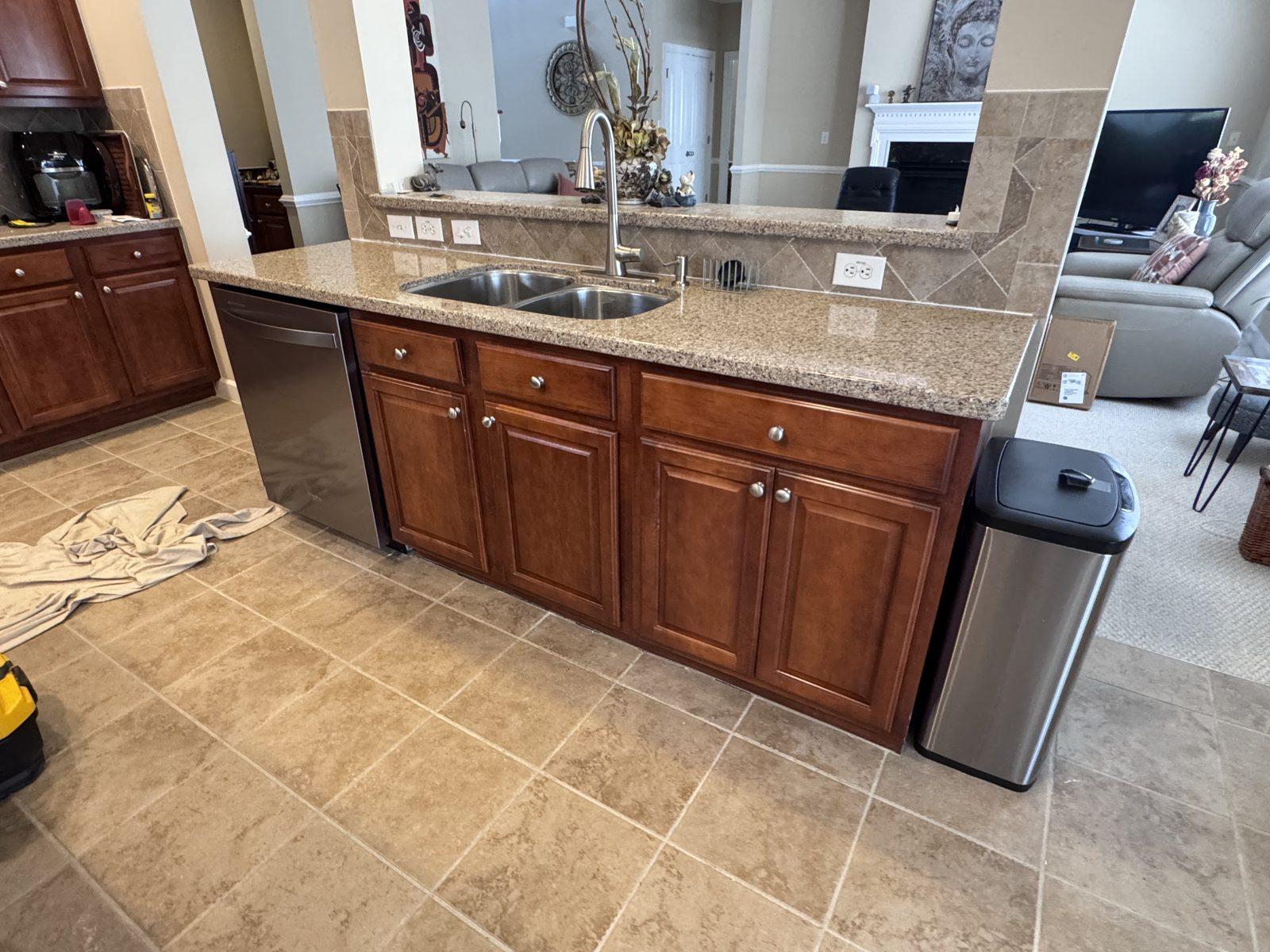
Yes. Affected materials are removed, the mold is remediated, the source of the water is repaired, and then the cabinetry, subfloor and finishes are rebuilt. Our project record includes a kitchen where exactly that was done after a leak under the island sink.
Rare Raleigh handles it as part of the same project, with Art overseeing the work on site — the framing, roofing, envelope and interior, sequenced as one job rather than several trades you have to coordinate.
That is the aim on every restoration: siding, trim, ceilings and floors that do not read as patched. Exact matches depend on whether the original materials are still available, and where they are not, we will tell you the closest options before anything is installed.
Usually a tree service removes the tree first, because the structure cannot be repaired while it is still on it. We work around that schedule and start on making the house safe and documenting the damage as soon as it is clear.
Yes. Most of our work is in Cary and Southern Wake County, and we take restoration projects across Raleigh, Apex, Holly Springs, Fuquay-Varina, Morrisville and Garner.
More general questions are answered on our frequently asked questions page.
Often part of the same project.
What people say about this work.
“This team has done amazing work for us over the years, and in seeming record time. They replaced our entire deck after years of wear, and helped gut, remediate, and replace an entire kitchen cabinet (2 day turnaround)! Dealt with insurance very well too. Total professionals and great at what they do - we will continue using them for all things in the house!”
Gaurav S.via Google “When my roof developed several leaks I called 3 roofers for estimates. They all told me I needed a new roof. When Art examined my roof he said the shingles were still in excellent shape, he just needed to repair the leaks. My total cost was less than what the roofers were going to charge and my cost included all repairs caused by the leaks. All of Art’s team were hard working, skillful and reliable. Since the roof’s repairs I’ve hired Art for several other jobs. In all I got to benefit from his painter, electrician, plumber and carpenters. I will continue to rely on Art and his team and I have recommended him to my friends.”
Gilroy Z.via Google
Carrying insurance coverage up to $2 million
Backed by over two decades of hands-on building experience
On most projects
23 five-star reviews on Google
Rare Raleigh Restoration LLC on the Better Business Bureau
Storm or water
damage?
Tell us what happened and what you can see. We will document the damage, scope the repair in writing and walk it with your adjuster if you would like us to.